

That feeling is almost impossible to escape: Itchiness. You might be reaching for your eyes for the third time in just a few minutes, wondering when the irritating sensation will go away. It’s natural to wonder what is causing the discomfort, and at Baalman Eye Care Center, we want to help you understand what might be going on.
Itchy eyes typically stem from allergies, dry eye syndrome, or contact lens issues, but identifying the exact cause requires understanding your symptoms and triggers. The good news is that most cases respond well to targeted, personalized treatment once you know what you’re dealing with.
Common Causes of Itchy Eyes
Seasonal and Environmental Allergies
Pollen from trees, grass, and weeds can trigger intense itching, especially during spring and fall. Your immune system mistakes these harmless particles for threats, releasing a substance called histamine that makes your eyes water and itch.
Indoor allergens like dust mites, pet dander, and mold spores affect you year-round. These microscopic irritants accumulate in carpets, bedding, and furniture, creating ongoing eye discomfort even when you’re inside.
Weather changes and poor air quality can worsen your symptoms. Windy days blow more allergens around, while pollution and smoke particles irritate your already sensitive eyes.
Dry Eye Syndrome
Your tears might not provide enough moisture or the right quality of lubrication your eyes need. This can happen when your tear glands don’t produce enough tears or when your tears aren’t of the right quality, so they evaporate too quickly.
Hours of screen time can significantly reduce your blink rate, leaving your eyes dry and irritated. Many of us focus so intently on our computers or phones that we forget to blink normally, disrupting our tear film.
As you age, especially after 40, your tear production naturally decreases. Hormonal changes during menopause can also affect tear quality, making your eyes feel gritty and scratchy throughout the day. Dry eye disease affects millions of people and often requires professional diagnosis for proper treatment.
Factors That Can Contribute to Discomfort
Daily Habits That Make Itching Worse
Rubbing your eyes provides temporary relief but actually makes the discomfort worse by releasing more histamine. You also risk introducing bacteria from your hands, which could cause infections.
Sleeping with makeup on or not removing it thoroughly leaves behind particles that can clog your eyelid glands. Poor sleep quality also affects your body’s ability to produce healthy tears, creating a cycle of dryness and irritation.
Smoking and exposure to secondhand smoke can also irritate your eyes and worsen dry eye symptoms. Tobacco smoke introduces harmful chemicals into the air that can disrupt your tear film, increase inflammation, and make itchiness and dryness more persistent. Avoiding smoke exposure can help protect your eye comfort and overall eye health.
Dry Eye Testing and Technology
Comprehensive Dry Eye Evaluation
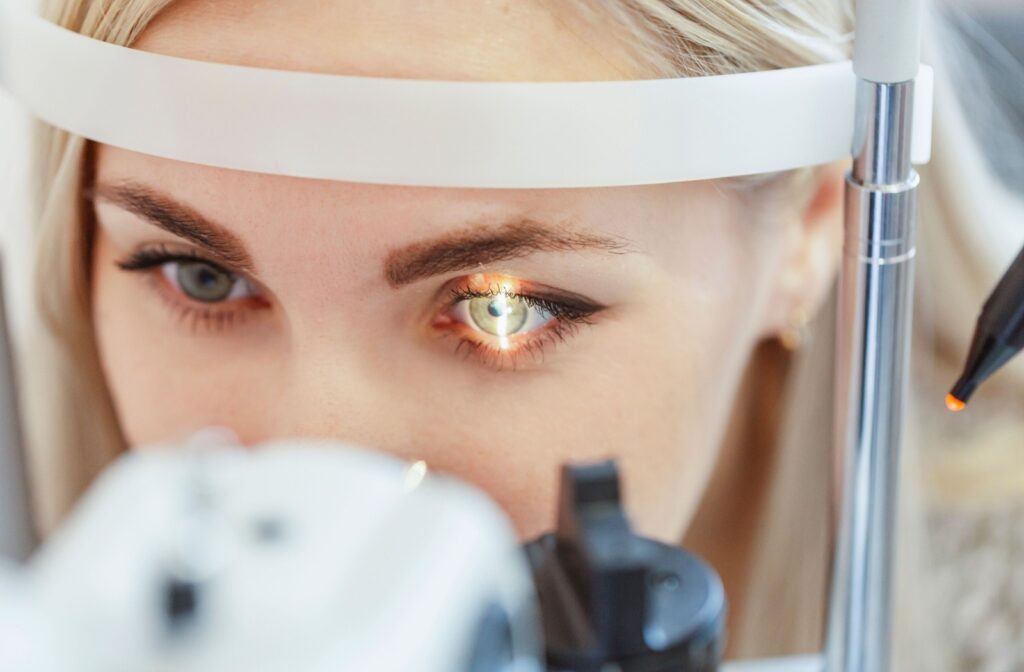
Modern diagnostic technology can help pinpoint exactly why your eyes feel scratchy and dry. Corneal topography maps the surface of your cornea and can sometimes reveal irregularities associated with tear film instability. This helps our eye doctors identify which treatments may work for your specific condition.
Schirmer tests measure how many tears your eyes produce in five minutes using special paper strips. TBUT (tear breakup time) testing can reveal how quickly your tears evaporate, while microscopic examination of the small glands lining your eyelids shows if oil production is blocked.
Specialized Testing Methods
These innovative tools help eye doctors see problems that basic sight tests might miss. The SPEED test and DEWS II protocols provide standardized ways to measure your dry eye symptoms and track improvement over time.
OCT imaging and visual field testing help eye doctors evaluate the health of your retina (at the back of your eye) and optic nerve (which sends signals to your brain). While they are not typically used to diagnose scratchy eyes, your optometrist may recommend them to assess overall eye health.
Professional Treatment Options for Dry Eye
We don’t believe in a 1-size-fits-all treatment for dry eye, which is why we tailor our treatment options to you. The contributing factors behind dry eye vary from person to person, so finding a personalized approach to your treatment can help you get relief.
Specialty Contact Lenses
Scleral contact lenses create a protective reservoir of moisture around your eye, offering comfort for severe dry eye cases. These specialized lenses vault over your cornea (the clear outer layer of your eye), creating an environment that can support your tears, helping to reduce scratchiness and irritation.
Amniotic Treatments
Amniotic membrane treatments use natural healing properties to repair damaged eye surfaces and reduce inflammation. This therapy helps improve your eye’s natural protective barrier when other treatments haven’t provided enough relief.
Prescription Eye Drops
Medicated eye drops target specific causes of the discomfort, from anti-inflammatory treatments to prescription allergy medications. Specialized serums made from your own blood can provide growth factors that help reduce the discomfort associated with long-term, persistent dry eye conditions.
Intense Pulsed Light (IPL) Therapy
IPL stands for Intense Pulsed Light therapy. This treatment uses controlled pulses of light to target inflammation and improve the function of the oil glands around the eyes. By reducing inflammation and helping the glands work more effectively, IPL therapy can improve tear quality and relieve symptoms of dry eye syndrome.
The treatment is performed in a clinic and sessions are typically quick. Many patients experience noticeable relief after just a few treatments.
At-Home Options
Warm compresses can also help unclog oil glands and provide some natural relief for dry eye symptoms, and are available for purchase at Baalman Eye Care Center. These simple at-home treatments can work alongside professional therapies to provide greater comfort. Making sure to drink enough water supports your overall health, including your eyes.
When to See an Eye Doctor for Uncomfortable Eyes
Warning Signs That Need Professional Care
You should schedule an appointment if your itching lasts more than a few days or gets progressively worse. These symptoms need immediate attention:
- Vision changes or blurriness that doesn’t clear with blinking
- Thick discharge or unusual eye secretions
- Severe redness or swelling around your eyes
- Pain alongside the itching sensation
What seems like simple allergies might actually be a more complex condition requiring specialized treatment. Early intervention can help prevent symptoms from becoming long-term or harder to manage.
What to Expect During Your Eye Exam
An eye exam is designed to be a comfortable process. It often includes a detailed tear film analysis and discussion of your daily habits, helping create a treatment plan tailored specifically to your situation. This comprehensive approach helps determine whether your discomfort stems from allergies, dry eye, or other conditions that could require different treatments.
Don’t Handle Your Discomfort Alone
Persistent scratchy eyes don’t have to be something you just live with. At Baalman Eye Care Center, we combine decades of experience with innovative diagnostic technology to identify the causes of your symptoms and provide effective relief. If you’re experiencing symptoms of dry eye or eye allergies, we would love to help you find relief. Schedule your eye exam and start your journey toward comfortable, healthy eyes.