

Key Takeaways
- Allergies and dry eye often happen at the same time and have overlapping symptoms.
- Allergy medications can reduce how much your eyes produce tears.
- A proper exam can identify whether allergies, dry eye, or both are behind your discomfort.
- Several treatment options exist, from drops and plugs to scleral lenses.
- Simple daily habits can help reduce allergy-related eye irritation.
When Your Eyes Feel Miserable Every Spring
Your eyes are itchy, red, and burning. Maybe they water constantly, or feel gritty like there’s sand stuck under your lids. You’ve tried eye drops, but nothing seems to help for long. If any of that sounds familiar, you’re not alone, and the answer might be more layered than just “allergies.” At Baalman Eye Care Center, we’ve been helping people in Wichita sort through these kinds of frustrating situations since 1970.
Yes, allergies can contribute to or worsen dry eyes. In many cases, both conditions are happening at the same time. This overlap is why so many people struggle to find relief with a one-size-fits-all approach. Getting the right answer starts with knowing what’s actually going on with your eyes. A dry eye evaluation can give you a much clearer picture than guessing at the drugstore.
The Link Between Allergies & Dry Eyes
When allergens like pollen, pet dander, and dust reach your eyes, your body may respond with inflammation. That inflammation disrupts your tear film, which is the thin layer of moisture that keeps your eyes comfortable and your vision clear. When the tear film breaks down, dry eye symptoms follow.
Many common allergy medications, including antihistamines, have the side effect of reducing how many tears your eyes produce. This is frustrating, but it’s also common, and it’s something a thorough eye exam can help sort out.
Allergy vs. Dry Eye: How to Tell the Difference
Signs of Allergy-Related Eye Problems
Allergy-related eye symptoms tend to have a consistent pattern. You might notice flare-ups during certain seasons, after spending time outside, or around pets. Common signs include:
- Intense itching, redness, and watery eyes
- Swollen eyelids or mild discharge
- Symptoms that seem tied to specific places, seasons, or exposures
Signs of Dry Eye Without Allergies
Dry eye has its own set of symptoms. Watch for:
- A gritty or burning sensation, like something is stuck in your eye
- Blurry vision that shifts or clears when you blink
- Stringy discharge or sensitivity to light or wind
The tricky part is that these two sets of symptoms can blend together. That’s why trying to self-diagnose often leads to reaching for the wrong drop or the wrong fix.
How Baalman Eye Care Center Finds the Root Cause
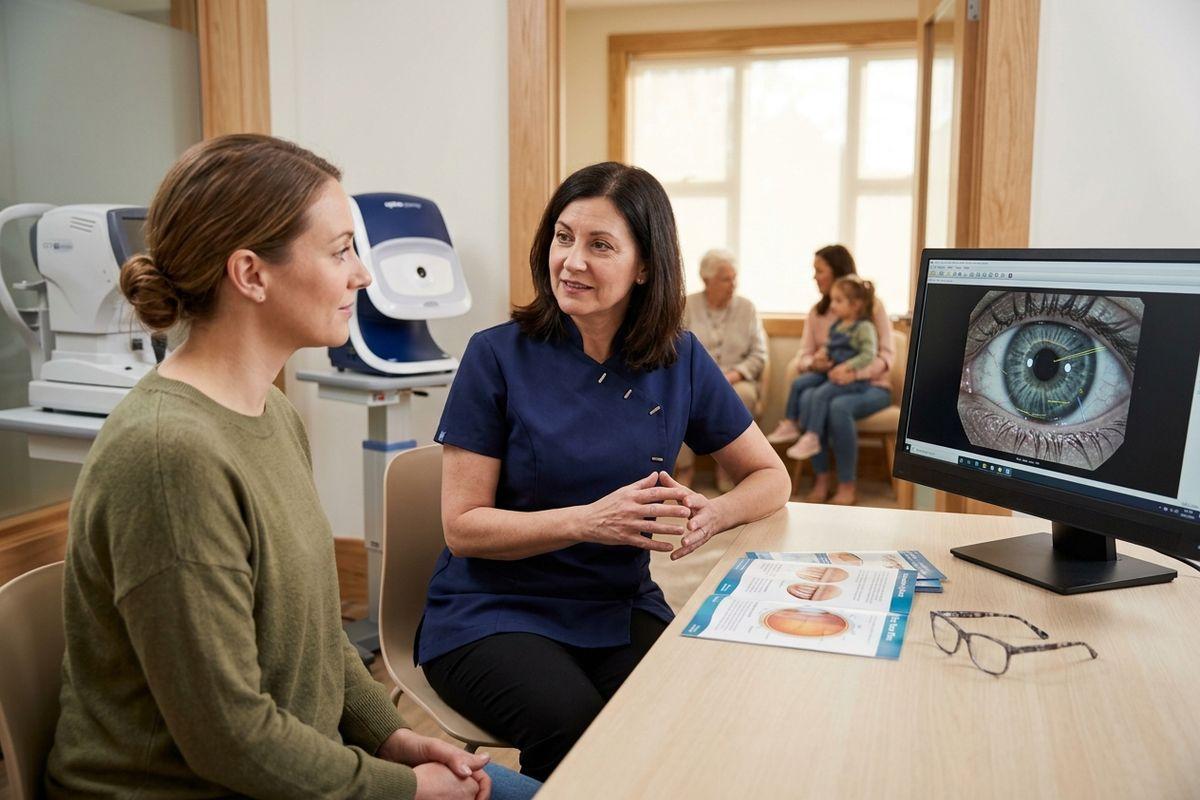
Dry Eye Diagnostic Tools
Our team at Baalman Eye Care Center in Wichita uses several tools to get a clear picture of what’s happening with your tear film and the surface of your eyes:
- A corneal topographer maps changes across the surface of your eyes.
- Tear breakup time testing (TBUT) measures how quickly your tear film breaks down between blinks, and Schirmer tests measure how much moisture your eyes actually produce.
- We can also check your meibomian glands, the tiny glands along the edges of your eyelids that produce the oily layer of your tears. When the meibomian glands become blocked, your tears evaporate too quickly.
Each of these tests can help your eye doctor narrow down the source of your dry eye discomfort.
Take the SPEED Test at Home
Before your appointment, you can take the SPEED test, a short questionnaire that helps track the frequency and severity of your dry eye symptoms. It takes just a few minutes, and the results give your eye doctor a concrete starting point for helping you deal with your symptoms.
Dry Eye Treatment Options at Baalman Eye Care Center
Everyday and In-Office Relief
There’s no single solution that works for everyone. Possible treatment options might include:
- Artificial tears, prescription topical therapies, and serums to support daily moisture and comfort
- Amniotic membrane therapy, which uses natural tissue to support the healing process and help reduce inflammation in more stubborn cases
Contact Lens Options for Dry Eyes
If you wear contacts and are dealing with dryness or allergies, your choice of lenses is important. For instance, scleral lenses vault over the cornea and hold a reservoir of fluid against the surface of your eye. Daily disposable lenses, on the other hand, reduce the buildup of allergens and deposits that can aggravate sensitive eyes. Our contact lens fitting process takes your symptoms into account to find an option that actually works for you.
Advanced IPL & Low Light Therapy for Dry Eye Relief
At Baalman Eye Care Center, we also offer advanced dry eye treatments using the iProElite IPL system and the Infinity Pro low light therapy system. These technologies can help address inflammation and meibomian gland dysfunction, two common factors behind chronic dry eye symptoms.
IPL, or intense pulsed light therapy, uses controlled pulses of light around the eyes to help reduce inflammation, calm irritation, and support healthier oil gland function. When the meibomian glands work better, tears are less likely to evaporate too quickly.
Infinity Pro low light therapy uses gentle light energy to support cellular activity and promote a healthier ocular surface. This treatment may help improve comfort, reduce dryness, and support longer-lasting relief as part of a personalized dry eye plan.
Our team can determine whether iProElite IPL, Infinity Pro low light therapy, or a combination of treatments may be right for your symptoms.
Simple Ways to Reduce Allergy-Related Eye Irritation
A few small changes at home can support whatever treatment your eye doctor recommends. These won’t replace professional care, but they can help reduce how much allergen exposure affects your eyes day to day.
- Keep windows closed during high pollen periods, especially on dry or windy days.
- Wash your hands and change clothes after spending time outdoors during allergy season.
- Avoid rubbing your eyes, which spreads allergens and increases inflammation.
If your symptoms keep coming back or feel hard to manage, that’s a signal worth paying attention to. Reach out online to our team at Baalman Eye Care Center in Wichita, and we’ll offer you a way forward.