
Key Takeaways
- Polarized lenses block horizontal light waves to reduce glare, not UV rays.
- UV protection and polarization are two separate features.
- Polarized sunglasses work well for driving, water, and outdoor activities.
- They can interfere with LCD screens and may not suit every lifestyle or prescription.
- Frame size and lens type matter just as much as the lens coating itself.
You step outside on a bright summer day, and within seconds, you’re squinting. Light bounces off car hoods, wet pavement, and storefront windows all at once. It’s not just uncomfortable. Over time, that kind of strain adds up.
Polarized sunglasses can help reduce that glare and make outdoor time easier on your eyes, but they’re not automatically the right choice for everyone.
How Polarized Lenses Actually Work
Most sunlight travels in all directions. When it hits a flat surface like water, a road, or the hood of a car, it bounces back in one concentrated direction. That reflected light is what creates glare, and it’s why bright days can feel almost blinding at times.
Polarized lenses have a built-in filter that blocks horizontal light waves, which is the direction most glare travels. Vertical light, the kind you actually need to see clearly, still passes through. The result is a noticeably calmer, sharper view of the world around you.
The Real Benefits of Polarized Sunglasses
Glare Reduction and Eye Comfort
Less squinting means less tension around your eyes, forehead, and even your neck. On a long drive or a full day at the beach, that difference in comfort is real and noticeable. Colors also appear more accurate, and contrast is sharper, so your eyes aren’t working as hard to process what they’re seeing.
When Polarized Lenses Work Best
Polarized sunglasses tend to shine in specific situations. If your daily life includes any of the following, they’re worth considering:
- Driving, especially on sunny or wet roads
- Fishing, boating, or any water activity
- Beach days with strong light reflecting off sand and water
- Golf and other outdoor sports with wide open fields
Any time you’re outdoors with reflective surfaces around you, polarized lenses can take a noticeable amount of visual stress off your eyes.
Polarized vs. UV Protection
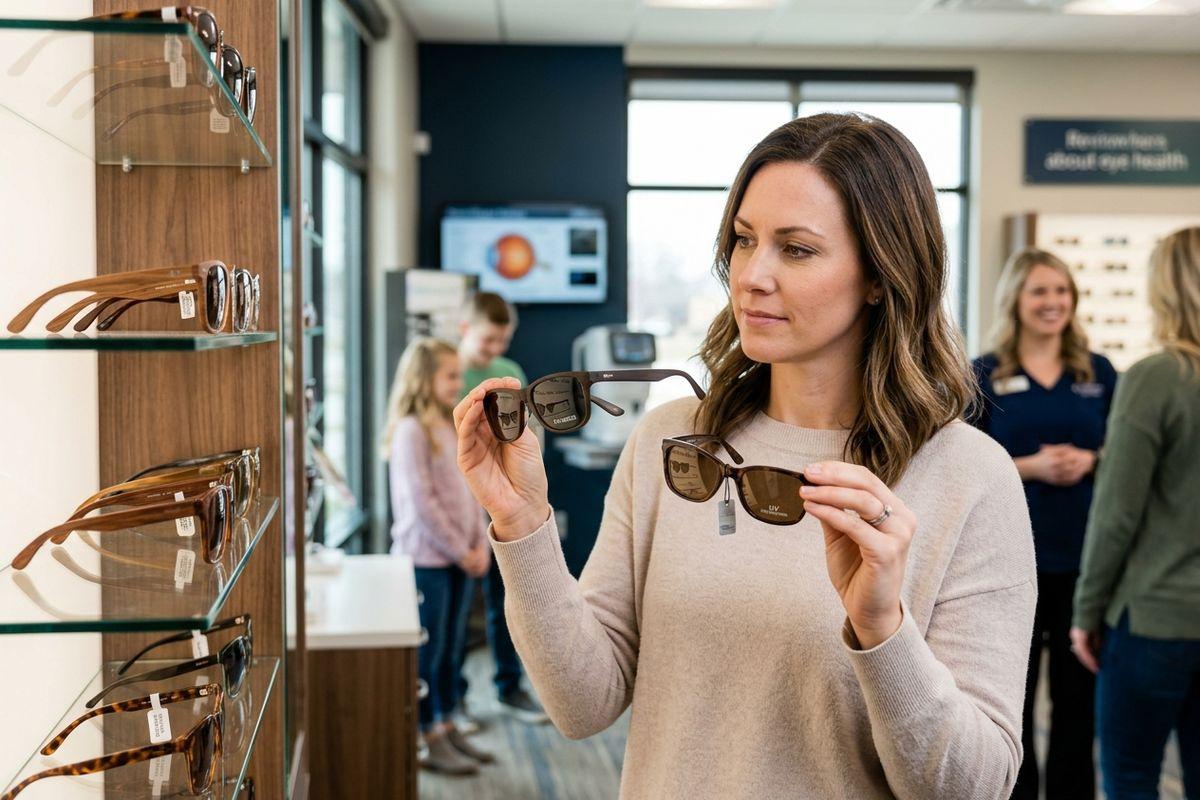
This is one of the most common mix-ups when it comes to sunglasses. Polarization handles glare. UV protection handles sun damage. They are not the same thing, and one does not replace the other.
UV rays from the sun may contribute to cataracts, macular degeneration, and other long-term eye health concerns. A polarized lens with no UV coating gives you comfortable vision in the moment, but leaves your eyes exposed to that damage over time. Sun exposure and eye damage are real risk that adds up over years of unprotected outdoor time. When you’re shopping for sunglasses, look for lenses labeled with 100% UVA and UVB protection alongside polarization. Getting both in one pair is the goal.
Who Should Avoid Polarized Sunglasses
Situations Where They May Fall Short
Polarized lenses can make certain screens harder to read. LCD displays on dashboards, GPS units, ATMs, and gas pump screens often appear dark or distorted through polarized lenses. If you’re on the road a lot and rely on those screens, that’s worth considering.
In snow sports, polarized lenses can also hide icy patches. The glare-cutting filter can make a slick sheet of ice look the same as dry snow, creating a safety concern for skiers and snowboarders.
People Who May Need a Different Option
Pilots are often advised to skip polarized lenses because cockpit instrument panels and certain in-flight visual cues can be affected. Beyond that, if you have a specific prescription or certain vision conditions, the way polarized lenses interact with your corrected vision may not feel right. An eye doctor in Wichita can help you figure out what lens type fits your prescription and your daily routine.
What to Look for When You Choose Sunglasses
Not all sunglasses are created equal, and the label on the frame tells you more than the price tag does. Here’s what to look for:
- 100% UVA and UVB protection, not just “UV protection” as a vague label
- Wraparound or wider frames that limit light from reaching the sides of your eyes
- Polarization if your lifestyle involves driving, water, or a lot of time outdoors
- A lens type matched to your activities, since different tints and coatings suit different situations
If you wear a prescription, you don’t have to choose between vision correction and sun protection. Prescription polarized lenses are a practical option that covers both. Our sunglasses collection at Baalman Eye Care Center includes prescription and non-prescription options from brands like Maui Jim, Oakley, and Ray-Ban, so you can find a pair that fits your eyes and your routine.
Find the Right Fit for Your Eyes
Choosing sunglasses comes down to your lifestyle, your prescription, and what you actually need your eyes to do each day. Polarized lenses help a lot of people, but they’re not the automatic answer for every situation.
At Baalman Eye Care Center in Wichita, our team takes the time to understand your day-to-day routine before making recommendations. Whether you need an eye exam or help picking the right lens for your lifestyle, schedule an appointment and get answers that actually fit your life.